
Choosing the right freight shipping method is an important decision for any business involved in importing, exporting, manufacturing, retail, construction, or international trade. The right transportation option can help control costs, improve delivery times, protect cargo, and keep your supply chain running smoothly.
Businesses generally choose between ocean freight, air freight, road transportation, and multimodal transportation. Each option has its own advantages, and the best choice depends on factors such as cargo type, shipment size, urgency, destination, budget, and delivery requirements.
Ocean Freight: Ideal for Large and Cost-Sensitive Shipments
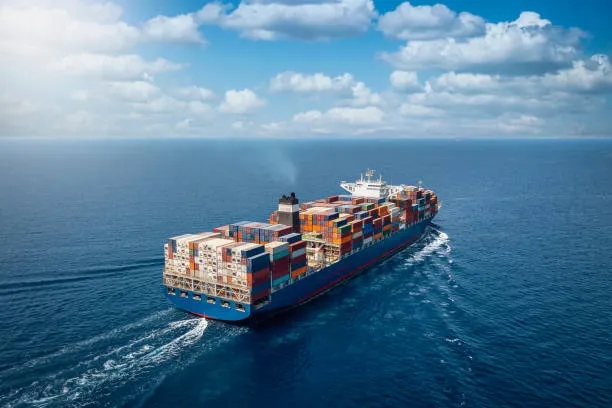
Ocean freight remains one of the most widely used methods for international cargo transportation. It is particularly suitable for businesses moving large volumes of goods over long distances.
Containers can accommodate everything from consumer products and machinery to construction materials, vehicles, industrial equipment, and raw materials.
One of the major advantages of ocean freight is its ability to handle large quantities of cargo. Businesses that are not working with extremely urgent delivery deadlines can often use ocean transportation as a cost-effective solution.
Ocean freight can be particularly useful when:
- You are importing or exporting large quantities of goods.
- Your cargo is heavy or oversized.
- Delivery speed is less important than transportation cost.
- You need containerized transportation.
- You are planning regular international shipments.
However, ocean shipments typically require longer transit times than air freight, and schedules can be affected by port congestion, weather, route disruptions, and changes in shipping networks.
For businesses using ocean freight, proper planning is therefore essential.
Air Freight: When Speed Matters
Air freight is generally chosen when cargo needs to reach its destination quickly.
It can be particularly useful for time-sensitive shipments, high-value products, urgent replacement parts, electronics, pharmaceuticals where applicable, samples, and other goods where delays could have significant business consequences.
Air freight offers speed and can provide access to international markets without the longer transit times associated with ocean transportation.
The trade-off is usually cost. Air transportation tends to be more expensive, particularly for heavy or bulky shipments.
Businesses should therefore consider the financial impact of delay versus the additional cost of faster transportation.
If a delayed shipment could stop production, cause a customer to cancel an order, or create significant operational problems, paying for faster transportation may make commercial sense.
Road Transportation: Flexible Regional Distribution
Road freight plays an important role in moving cargo between ports, warehouses, businesses, distribution centers, and final destinations.
It is particularly important for regional transportation and last-mile delivery.
For example, cargo arriving at a seaport may still need to travel hundreds of kilometers before reaching the customer’s warehouse. Road transportation connects these different parts of the logistics chain.
Road freight can be useful for:
- Regional distribution.
- Port-to-warehouse transportation.
- Warehouse-to-customer delivery.
- Domestic shipments.
- Short- and medium-distance cargo movement.
- Connecting different transportation modes.
Its flexibility also makes it an important component of multimodal logistics.
Multimodal Transportation: Combining Different Options
Not every shipment can be efficiently handled using one transportation method.
A business may import goods by ocean, move them by road from the port to a warehouse, store them temporarily, and then distribute them by road to different customers.
This is an example of a multimodal logistics process.
Combining transportation methods can allow businesses to balance cost, speed, flexibility, and geographic coverage.
The key is coordination. When several transportation providers or modes are involved, poor communication can result in delays, documentation problems, additional charges, or difficulty tracking cargo.
This is where an experienced logistics partner can add significant value.
Factors to Consider Before Choosing a Shipping Method
Before selecting a transportation method, businesses should consider several factors.
1. Cargo Size and Weight
Large and heavy shipments may be better suited to ocean or road transportation, while smaller and high-value shipments may be suitable for air freight.
2. Delivery Deadline
How quickly does the cargo need to arrive?
A shipment required within a few days will need a different strategy from cargo that can arrive several weeks later.
3. Destination
The location of the supplier and final customer can influence the available transportation options and overall cost.
4. Cargo Characteristics
Fragile, valuable, oversized, temperature-sensitive, or specialized cargo may require particular handling and transportation arrangements.
5. Total Logistics Cost
The cheapest freight rate is not necessarily the cheapest overall logistics solution.
Businesses should consider transportation, handling, customs, storage, insurance, documentation, and potential delay-related costs.
6. Reliability and Visibility
A good logistics plan should provide clear information about shipment progress and potential disruptions.
Visibility has become increasingly important as businesses manage more complex supply chains. Current industry outlooks emphasize end-to-end visibility and flexibility as important capabilities for dealing with disruption.
Work With a Logistics Partner
International shipping involves much more than moving cargo from one location to another.
It requires coordination between suppliers, carriers, ports, customs authorities, warehouses, transport providers, and customers.
At Meridian Globe Logistics, our goal is to help businesses coordinate their logistics requirements and select transportation solutions that fit their cargo, destination, timeline, and operational needs.
Whether you require ocean freight, air freight, road transportation, freight forwarding, customs support, warehousing, or a combination of services, having a coordinated logistics strategy can make the entire shipping process easier to manage.
The right shipping method is not simply the fastest or cheapest option. It is the solution that best balances cost, time, cargo requirements, reliability, and business priorities.